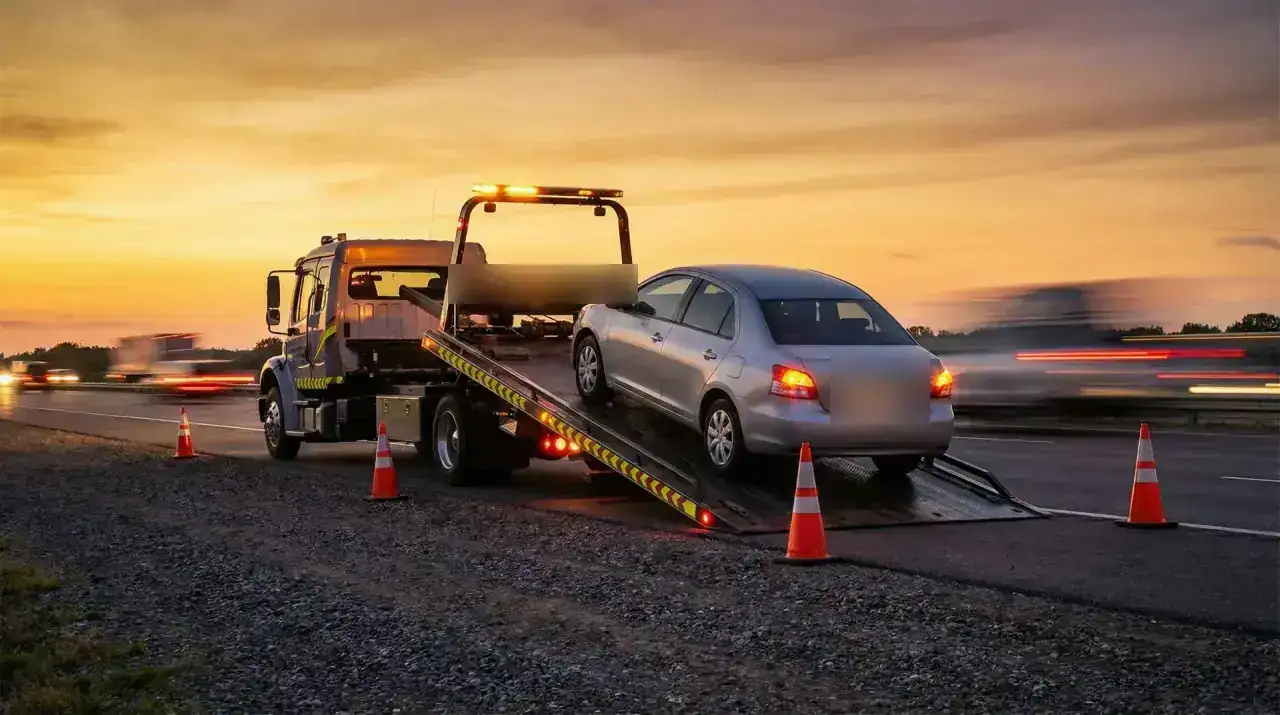
For a lot of Columbus families, Thanksgiving means loading the car and heading up I-71 toward Cleveland, down to Cincinnati, out I-70 toward Dayton or Zanesville, or south on US-33 to see family in the hills. It also lands right as Central Ohio turns properly cold. That combination is why a tired battery, a soft tire or a forgotten fluid tends to show up on the holiday trip rather than on the commute. A short check a week before you leave, plus knowing who to call for roadside assistance, takes most of the stress out of it.
Here is a practical pre-trip checklist you can do in the driveway in about half an hour, what to pack, and what to do if the car still lets you down somewhere between here and the turkey.
Start a week early, not the night before
The night before a trip is the worst time to discover a problem. Repair shops can be busy right before a holiday, parts may need ordering, and you are already packing. Give yourself a week. If the checks below turn up something, a slow-cranking engine, a tire that keeps losing air, a warning light you have been ignoring, there is still time to have it looked at by a shop you trust instead of one you found on the side of the road.
Pull out the owner's manual while you are at it. It lists the correct tire pressure, oil type and any maintenance that is coming due, and the dashboard may be quietly telling you an oil change is overdue.
The battery: the first cold mornings find the weak ones
A battery that limped through the fall can give up on the first frosty morning, and holiday trips add their own strain: the car sits in a relative's driveway overnight, then has to start cold with a full load of people and luggage. Signs a battery is on its way out:
- The engine turns over more slowly than it used to, especially first thing in the morning.
- The dash lights or headlights dim while the car is starting.
- The battery or charging warning light has come on while driving.
- White or green crust is building up on the terminals.
- The battery is several years old and you do not remember when it was last tested.
If any of those fit, have it load-tested before the trip. Our guide to testing a car battery before winter explains what the numbers mean. If it fails, mobile battery replacement can put a new one in where the car is parked, so you are not hoping it starts in someone else's driveway on Friday morning.
Tires: pressure, tread and the spare
Cold air shrinks, so tire pressure drops as the temperature does. That is why the tire pressure light so often pops on during the first cold week of the season. A long highway drive on underinflated tires wears them faster, hurts handling in rain or snow and builds up heat in the tire.
- Check pressure cold. Do it in the morning, before driving, with a simple gauge. Fill to the number on the sticker inside the driver's door jamb, not the maximum printed on the tire.
- Check the tread. Look for even wear across each tire and use the wear bars molded into the grooves. Tires that are close to worn out will be much worse on wet or snowy pavement.
- Look at the sidewalls. Bulges, cuts or cracking mean the tire should be checked by a tire shop before a long drive.
- Find the spare and the jack. Make sure the spare holds air and that the jack and lug wrench are actually in the car. Some newer cars come with only an inflator kit and no spare, so know which one you have.
If a tire goes flat on the way, our tire change service fits your spare at the roadside. We do not repair tires on the spot; if there is no usable spare, we tow the car to a tire shop.
Fluids, wipers and lights
These take five minutes and prevent some of the most avoidable breakdowns and the most stressful drives:
- Oil. Check the dipstick with the car on level ground. If the level is low or an oil change is due, handle it before you go.
- Coolant. With the engine cold, check the level in the overflow tank. Never open a hot radiator cap.
- Washer fluid. Fill it with a winter blend rated for freezing temperatures. Salty spray kicked up by semis on I-70 can coat a windshield fast, and an empty reservoir leaves you driving blind.
- Wiper blades. If they streak, chatter or leave a smeared arc, replace them. Our post on winter wipers and visibility goes into more detail.
- Lights. With someone helping, check the headlights, high beams, brake lights, turn signals and hazards. Holiday trips often mean driving home after dark.
- Brakes. Grinding, squealing, a soft pedal or a pull to one side when braking all need a mechanic before a loaded car goes on a long highway drive.
Fuel and the route
Fill up before you leave town rather than counting on the next exit. Holiday traffic and a sudden slowdown can leave you idling for a long stretch, and a car that runs out of fuel in the cold also runs out of heat. A good habit for winter trips is to fill up again whenever the gauge reaches about half. If you do run dry, fuel delivery brings enough to get you to a station.
Check the forecast for both ends of the trip and the route between. Weather in Columbus can be very different from weather along the lake shore or in the hills to the southeast. If snow or freezing rain is likely, consider leaving earlier, waiting it out, or taking the bigger highways rather than back roads. Let someone know your route and when you expect to arrive.
What to pack besides the pie
A trunk full of luggage and food is the easy part. Keep a small kit where you can reach it without unloading everything. Our winter car emergency kit list covers it in full, but for a holiday drive the short version is:
- Phone charging cables and a charged power bank
- An ice scraper and snow brush
- Warm coats, hats, gloves and a blanket for everyone in the car, even if the drive is short
- A flashlight and reflective triangles or flares
- Water, snacks and any medications your passengers need
- Your insurance card, and our number, (740) 812-9489, saved in your phone and written on paper
Do not overload the car. Heavy cargo and a roof box change how the car brakes and handles, so pack the heaviest items low and toward the middle and check the tire pressure again after loading if your manual gives a higher number for a full load.
If the car quits on the way
Even a well-checked car can break down. Having a plan makes the moment much less frightening, especially with kids in the back seat:
- Get off the road. Steer onto the shoulder or the next exit if you can, as far from traffic as possible, and turn on the hazard lights.
- Call 911 first if anyone is hurt, the car is stuck in a live travel lane, or a winter storm makes waiting dangerous. The car can be dealt with afterward.
- Stay buckled in with the doors locked on a busy highway. Standing beside the car or behind it on a freeway shoulder is one of the most dangerous places to be.
- Find your exact location. Use your phone's map, the nearest exit or mile marker, and which direction you were heading.
- Call for help. A dead battery needs a jump start, a flat needs the spare fitted, and anything that cannot be fixed on the spot needs a tow to a shop.
- If you run the engine for heat, make sure the tailpipe is not blocked by snow, and crack a window slightly.
Around Columbus, response times are always estimates, and holiday traffic and winter weather can stretch them. Most metro calls, including Dublin, are reached in about 20–40 minutes, outer communities such as Pickerington in about 40–60, and west and southwest-side calls like Grove City usually in about 15–30.
If the car breaks down far from home and needs to come back to a Columbus shop, ask dispatch about long-distance towing. For the trip home, the same advice applies in reverse: if the car started acting up at your relative's house, have it checked before the drive back rather than hoping it holds.
What it costs
Roadside help such as a jump start, spare tire change, lockout or fuel delivery is $75 flat plus $4 per mile for the truck to reach you. A tow is a $125 hook-up plus $7 per loaded mile. Veterans with a military or VA ID get 10% off. Night and weekend surcharges are listed on our pricing page, and dispatch tells you the price on the phone before a truck is sent.
Frequently asked questions
What should I check on my car before a Thanksgiving road trip?
Check the tire pressure and tread, the battery's age and how it cranks, the oil and coolant levels, the washer fluid and wiper blades, and every light. Look at the spare too. Do it a week ahead so there is time to fix anything a check turns up.
Why does my tire pressure light come on when it gets cold?
Air in a tire contracts as the temperature drops, so pressure that was fine on a mild afternoon can read low on a cold morning. Check all four tires when they are cold and fill them to the pressure on the sticker inside the driver's door jamb, not the number on the tire sidewall. If one tire keeps losing air, have it looked at before a long trip.
Should I get my battery tested before holiday travel?
Yes, if the battery is a few years old or the engine has started cranking slower. A load test shows whether it can still deliver starting power, and the first cold mornings of the season are when a tired battery tends to quit. Replacing a weak battery at home is much easier than dealing with it in a relative's driveway.
What should I do if my car breaks down on the way to Thanksgiving?
Get as far off the road as you can and turn on the hazard lights. Call 911 first if anyone is hurt or the car is stopped in a live travel lane; otherwise stay buckled in with the doors locked and call for roadside help with your exact location. If the car breaks down far from home and needs to come back to Columbus, ask dispatch about long-distance towing.
Can you help if my car will not start at a relative's house over the holiday?
Yes. Dispatch runs around the clock across Columbus and the surrounding communities. A dead battery can usually be jump-started or replaced in the driveway, and the dispatcher quotes the price before a truck rolls.
Leaving Columbus for the holiday, or stuck before you even get out of the driveway? Our roadside assistance team is a call away. Call (740) 812-9489 any hour, or send your location from the SOS request page.